
















Referral marketing works because it turns a customer’s real experience into a reason for someone else to try a brand. But that only happens when the program is easy to understand, useful to share, and worth acting on. Here are five reasons referral remains one of ecommerce’s strongest growth channels in 2026.
Referral gives that moment a structure: a clear offer, a simple share, and a fair reward for both people.
How referral marketing works
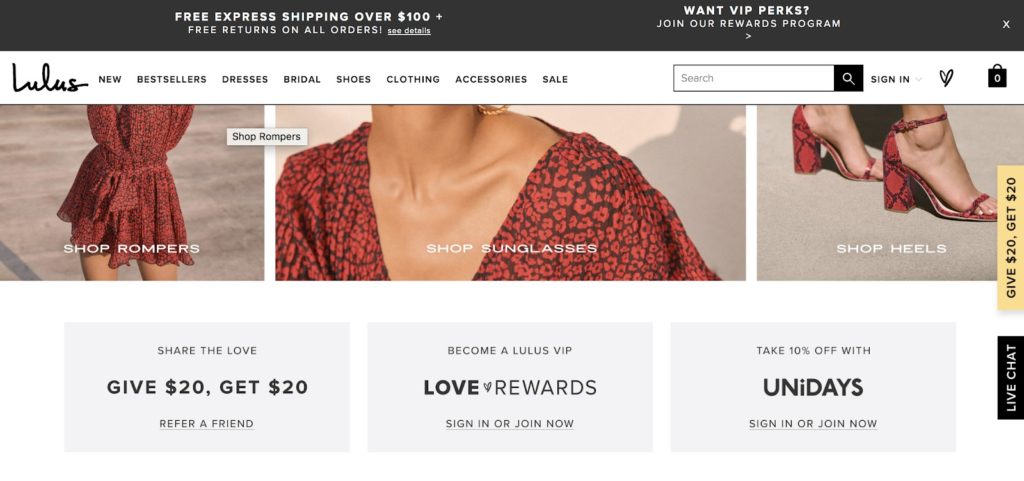
A customer shares a personal link or offer with someone in their network. When that friend completes a qualifying purchase, the customer earns a reward and the new customer receives an offer too. That simple exchange can create a more credible path to acquisition than a standard ad.
Five reasons referral marketing works
A friend’s recommendation arrives with context that brand advertising cannot manufacture. The advocate knows the product, the recipient, and why the offer could be relevant.
People tend to share brands with people who have similar tastes, needs, or habits. That makes referral an efficient way to reach new buyers who are more likely to care.
The advocate gets real value for introducing a friend. That gives existing customers another reason to stay engaged with the brand, not just purchase once.
A strong program is present after a great delivery, a repeat purchase, a positive review, or a loyalty milestone. The invitation lands when the customer has a reason to share.
When you track participation, shares, friend conversion, repeat purchase, reward cost, and fraud signals, every campaign becomes a chance to improve the next one.
Build a program customers actually want to share
Referral works when it is designed around the customer experience, not just the conversion event. Make the offer clear, show it after a great moment, and make sharing feel effortless.
Make value obvious
A simple give-get offer works because both people understand the upside right away.
Invite after delight
Ask after delivery, a repeat order, a review, or a loyalty milestone.
Remove extra steps
Give customers the channels they use and a message that sounds natural to share.
A practical optimization loop
Find the moment customers see the program. Test one variable, such as the reward, message, or placement. Measure participation, shares, friend conversion, and repeat purchase. Keep the winner, then improve the next handoff.
Where programs win or lose
The offer is visible, the reward makes sense, and both people know what happens next.
Customers cannot find it, do not understand it, or get an incentive that is not worth passing along.
What to measure
Four signals tell you where a referral experience needs work.
The share of eligible customers who opt in to advocate.
The advocates who actually put an invite in front of a friend.
The friends who become customers after receiving an invite.
The referred customers who make a second purchase and stick around.
Referral is not a magic switch. It works when the product gives people something to recommend, the program gives them a compelling reason to act, and the brand keeps refining the experience.
Let’s talk if you want to build a referral program around the way your customers actually shop and share.